

Can flexible vinyl tubing be used in electronic cooling applications? That's a question I get asked a lot as a supplier of Flexible Vinyl Tubing. In this blog, I'll dig into this topic, sharing my thoughts and insights based on my experience in the industry.
First off, let's talk about what flexible vinyl tubing is. It's a type of tubing made from vinyl, which is a synthetic plastic polymer. It's known for being flexible, durable, and resistant to a variety of chemicals. These properties make it a popular choice in many industries, from plumbing to automotive. But can it be used in electronic cooling applications?
Well, the short answer is yes, it can. Electronic cooling is all about removing heat from electronic components to prevent them from overheating. This is crucial because overheating can lead to reduced performance, shortened lifespan, and even permanent damage to the components. There are several ways to achieve electronic cooling, including air cooling, liquid cooling, and phase-change cooling. And flexible vinyl tubing can play a role in some of these methods, especially liquid cooling.
In liquid cooling systems, a coolant is circulated through a closed loop to absorb heat from the electronic components and transfer it to a heat exchanger, where it's dissipated into the environment. Flexible vinyl tubing can be used to connect the different components of the liquid cooling system, such as the pump, the radiator, and the cold plate. It's flexible enough to be easily routed around the electronic components, and it can withstand the pressure and temperature changes that occur in the system.
One of the advantages of using flexible vinyl tubing in electronic cooling applications is its flexibility. It can be bent and shaped to fit the specific requirements of the cooling system, which makes it easier to install and customize. This is especially important in applications where space is limited, such as in laptops, servers, and other compact electronic devices.
Another advantage is its chemical resistance. Vinyl is resistant to many chemicals, including water, coolant, and lubricants. This means that the tubing won't degrade or corrode when exposed to these substances, which ensures the long-term reliability of the cooling system.
However, there are also some challenges and considerations when using flexible vinyl tubing in electronic cooling applications. One of the main challenges is its thermal conductivity. Vinyl is not a very good conductor of heat, which means that it may not be as effective at transferring heat as other materials, such as copper or aluminum. This can limit the efficiency of the cooling system, especially in high-power applications.
Another consideration is its temperature resistance. While vinyl can withstand a wide range of temperatures, it has a maximum operating temperature that needs to be considered. If the temperature of the coolant exceeds this limit, the tubing may soften, deform, or even melt, which can cause leaks and other problems in the cooling system.
To overcome these challenges, it's important to choose the right type of flexible vinyl tubing for the specific application. There are different grades and formulations of vinyl tubing available, each with its own set of properties and characteristics. For example, some vinyl tubing is designed to have better thermal conductivity, while others are more resistant to high temperatures.
It's also important to ensure that the tubing is properly installed and maintained. This includes using the right fittings and connectors, securing the tubing to prevent movement and vibration, and regularly inspecting the tubing for signs of wear and damage.

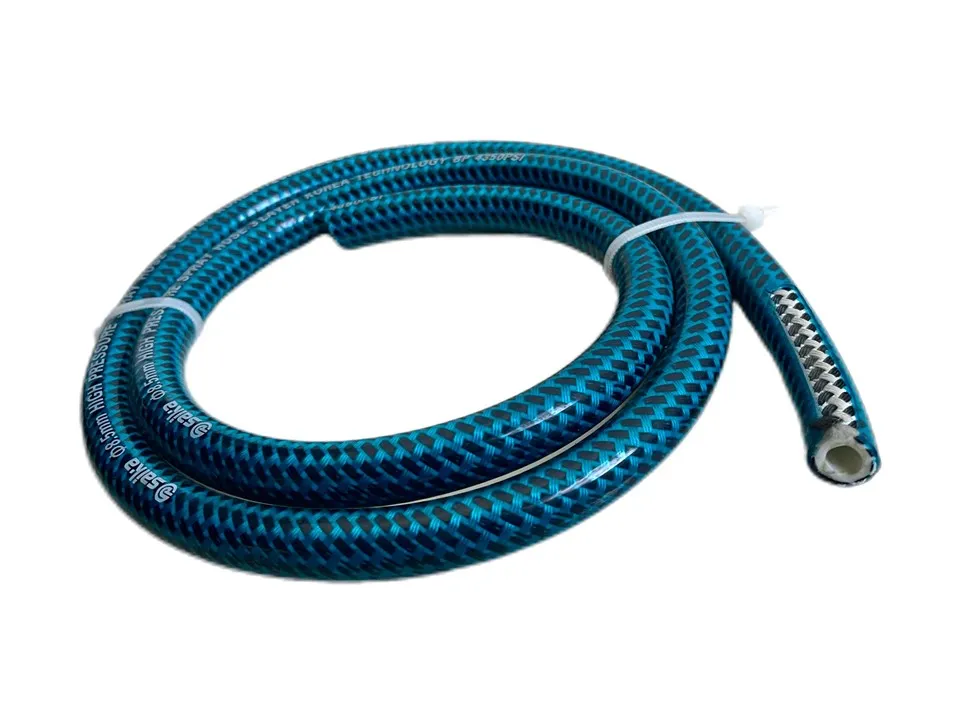
Now, let's take a look at some of the specific products that we offer as a Flexible Vinyl Tubing supplier. We have a wide range of flexible vinyl tubing products that are suitable for electronic cooling applications, including Braided PVC Tubing, 2 Inch PVC Flex Pipe, and 1 Flexible PVC Pipe.
Our Braided PVC Tubing is reinforced with a braided layer, which provides additional strength and durability. It's suitable for applications where higher pressure and temperature resistance are required.
Our 2 Inch PVC Flex Pipe is a larger diameter tubing that's ideal for applications where a higher flow rate of coolant is needed. It's also flexible enough to be easily routed around the electronic components.
Our 1 Flexible PVC Pipe is a smaller diameter tubing that's commonly used in applications where space is limited. It's lightweight and easy to install, making it a popular choice for compact electronic devices.
In conclusion, flexible vinyl tubing can be used in electronic cooling applications, but it's important to carefully consider its properties and limitations. By choosing the right type of tubing and ensuring proper installation and maintenance, you can take advantage of its flexibility, durability, and chemical resistance to create an effective and reliable cooling system.
If you're interested in learning more about our Flexible Vinyl Tubing products or have any questions about using them in electronic cooling applications, please don't hesitate to contact us. We'd be happy to discuss your specific requirements and help you find the right solution for your needs.
References
- "Introduction to Electronic Cooling" by ASME
- "Flexible Tubing Handbook" by Parker Hannifin Corporation