

Hey there! As a supplier of PVC vacuum hoses, I've seen my fair share of kinking issues. It's a common problem that can really mess up your work, whether you're using the hose for industrial cleaning, vacuuming in a workshop, or any other application. But don't worry, I'm here to share some tips on how to prevent a PVC vacuum hose from kinking.

Understanding Why PVC Vacuum Hoses Kink
Before we dive into the prevention methods, let's quickly understand why PVC vacuum hoses kink in the first place. PVC is a flexible material, which is great for maneuverability, but it also means it can easily bend and twist out of shape. When the hose is bent too sharply or under pressure, it can form kinks. These kinks not only restrict the flow of air or whatever is being vacuumed but can also weaken the hose over time, leading to cracks and leaks.
Choose the Right Hose
One of the first steps in preventing kinking is to choose the right PVC vacuum hose for your needs. Consider the following factors:
- Diameter: A wider diameter hose is generally less likely to kink than a narrow one. If you're dealing with a high volume of air or debris, a larger diameter hose like the 2 Inch Flexible Pipe might be a better choice.
- Length: Longer hoses are more prone to kinking. If you don't need a long hose, opt for a shorter one. However, if you do need a longer reach, make sure to choose a hose with good flexibility and kink resistance. Our Hose Pipe 50 Meters is designed to be flexible and durable, even at longer lengths.
- Reinforcement: Look for hoses with internal or external reinforcement, such as steel wire or spiral ribbing. These reinforcements add strength and stability to the hose, making it less likely to kink.
Proper Handling and Storage
How you handle and store your PVC vacuum hose can also have a big impact on its kink resistance. Here are some tips:
- Avoid Sharp Bends: When using the hose, try to avoid making sharp bends or twists. Instead, make gentle curves and turns. If you need to change the direction of the hose, use a hose elbow or a swivel connector.
- Don't Overstretch: Overstretching the hose can cause it to weaken and become more prone to kinking. Make sure to use the hose within its recommended length and avoid pulling it too hard.
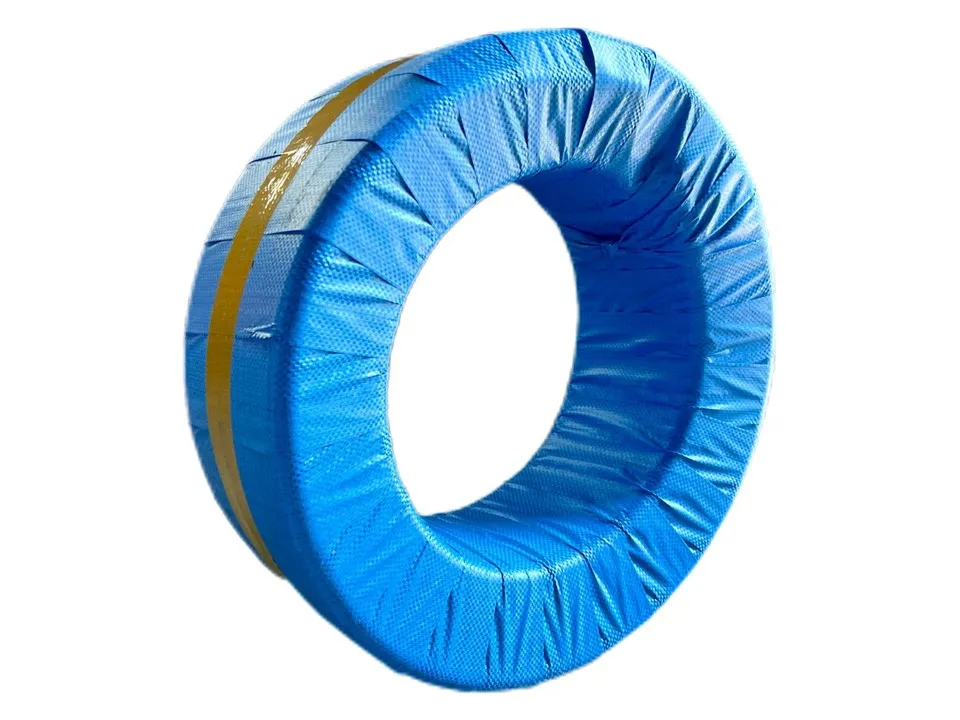
- Coil the Hose Properly: When you're done using the hose, coil it up neatly. Start from the end and work your way back to the beginning, making sure to keep the coils as even as possible. Avoid twisting the hose as you coil it. You can use a hose reel or a storage rack to keep the hose organized and prevent it from getting tangled.
- Store in a Cool, Dry Place: Exposure to heat, sunlight, and moisture can damage the PVC material and make the hose more likely to kink. Store the hose in a cool, dry place away from direct sunlight and sources of heat.
Use Hose Guides and Supports
Hose guides and supports can help keep your PVC vacuum hose in place and prevent it from kinking. Here are some options:
- Wall Mounts: Wall mounts can be used to secure the hose to a wall or other vertical surface. This keeps the hose off the ground and reduces the risk of it getting stepped on or tangled.
- Ceiling Mounts: Ceiling mounts are a good option if you need to keep the hose out of the way. They can be used to suspend the hose from the ceiling, allowing it to hang freely without kinking.
- Floor Guides: Floor guides can be used to keep the hose in a specific path on the floor. They can be especially useful in areas where the hose needs to be routed around obstacles.
- Hose Clamps: Hose clamps can be used to secure the hose to fittings or other components. This helps prevent the hose from coming loose and kinking.
Regular Maintenance
Regular maintenance is essential for keeping your PVC vacuum hose in good condition and preventing kinking. Here are some maintenance tips:
- Inspect the Hose Regularly: Check the hose for any signs of damage, such as cracks, leaks, or kinks. If you notice any damage, replace the hose immediately.
- Clean the Hose: Over time, dirt, debris, and other contaminants can build up inside the hose, causing it to become clogged and more prone to kinking. Clean the hose regularly using a mild detergent and water. Make sure to rinse the hose thoroughly and let it dry completely before using it again.
- Lubricate the Fittings: Lubricating the fittings can help prevent them from sticking and make it easier to connect and disconnect the hose. Use a silicone-based lubricant or a light oil to lubricate the fittings.
Conclusion
Preventing a PVC vacuum hose from kinking is all about choosing the right hose, handling and storing it properly, using hose guides and supports, and performing regular maintenance. By following these tips, you can keep your hose in good condition and ensure that it performs at its best.
If you're in the market for a high-quality PVC vacuum hose, we've got you covered. Our hoses are made from durable materials and are designed to be flexible, kink-resistant, and long-lasting. Check out our Hose Pipe 50 Meters, Black Hose for Water, and 2 Inch Flexible Pipe for some great options.
If you have any questions or would like to discuss your specific needs, feel free to reach out. We're here to help you find the perfect PVC vacuum hose for your application.
References
- "PVC Vacuum Hose: A Comprehensive Guide." Industrial Hoses Magazine, 2023.
- "Preventing Hose Kinking: Best Practices." Hose & Fitting Solutions, 2022.