

Hey there! As a supplier of Black Hose for Water, I often get asked about the flow rate of these black hoses. So, I thought I'd take the time to break it down for you in this blog post.
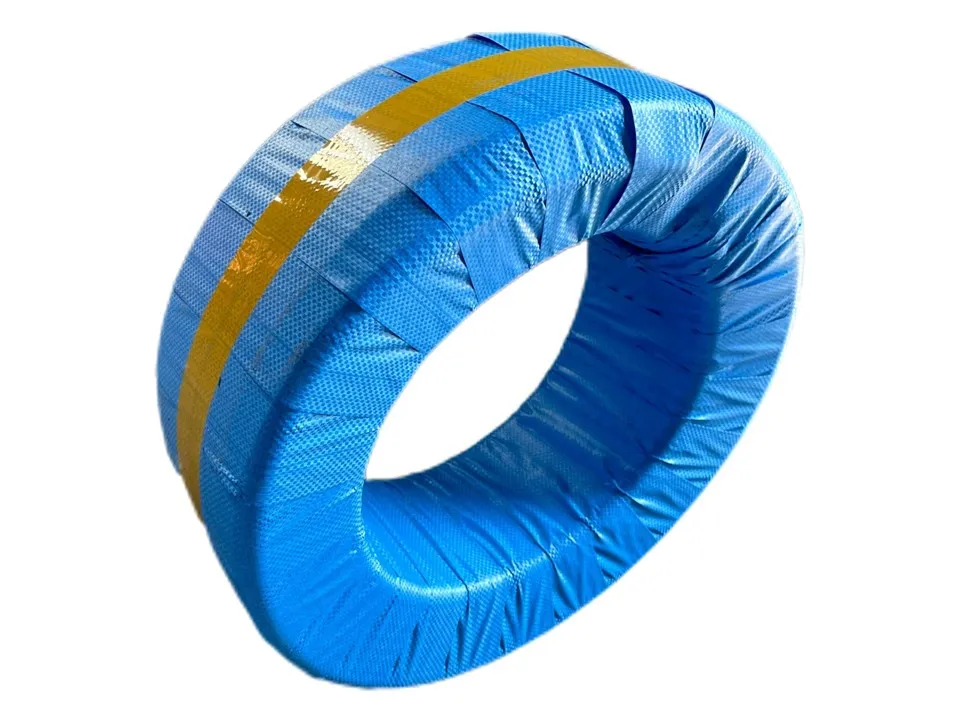

First off, let's talk about what flow rate actually means. Flow rate is basically the volume of water that can pass through the hose in a given amount of time. It's usually measured in gallons per minute (GPM) or liters per minute (LPM). Understanding the flow rate of your black hose is crucial, whether you're using it for gardening, industrial applications, or just general water transfer.
There are several factors that can affect the flow rate of a black hose. One of the most important ones is the diameter of the hose. Generally speaking, the larger the diameter of the hose, the higher the flow rate. For example, a 2 Inch Flexible Pipe will typically have a much higher flow rate than a smaller diameter hose. This is because a larger diameter provides more space for the water to flow through, reducing the resistance and allowing the water to move more freely.
Another factor that can impact the flow rate is the length of the hose. The longer the hose, the more resistance the water will encounter as it travels through. This means that a Hose Pipe 50 Meters will have a lower flow rate compared to a shorter hose, all other things being equal. The friction between the water and the inner walls of the hose increases with length, which slows down the water flow.
The material of the hose also plays a role in determining the flow rate. Our black hoses are made from high - quality materials that are designed to minimize friction and maximize water flow. Some hoses may have a smoother inner surface, which reduces the resistance and allows the water to flow more efficiently. Additionally, the quality of the manufacturing process can affect how well the hose maintains its shape and flexibility, which in turn can impact the flow rate.
The water pressure at the source is another key factor. Higher water pressure will generally result in a higher flow rate. If you're using a high - pressure water source, such as a powerful pump, the water will be forced through the hose at a faster rate. On the other hand, if the water pressure is low, the flow rate will be reduced.
Let's do a quick example to illustrate how these factors interact. Suppose you have two hoses: one is a 1 - inch diameter hose that's 25 meters long, and the other is a 2 Inch Flexible Pipe that's 50 meters long. Even though the 2 - inch hose is longer, its larger diameter may still allow it to have a higher flow rate, depending on the water pressure. If the water pressure is high enough, the increased diameter can offset the additional resistance caused by the longer length.
Now, you might be wondering how to calculate the flow rate of your black hose. While there are some complex formulas that take into account all the factors we've discussed, a simpler way is to use a flow rate calculator. These calculators are available online and usually require you to input information such as the hose diameter, length, and the water pressure at the source. They'll then give you an estimate of the flow rate.
In practical terms, knowing the flow rate of your black hose can help you make better decisions. If you're using the hose for gardening, a higher flow rate means you can water your plants more quickly. For industrial applications, it can ensure that the water is delivered at the right speed and volume for the process.
As a supplier, we offer a wide range of black hoses with different diameters and lengths to meet your specific needs. Whether you need a short, high - flow hose for a small project or a long Hose Pipe 50 Meters for a larger application, we've got you covered.
If you're in the market for a black hose and want to know more about the flow rates or which hose is right for you, feel free to get in touch. We're here to help you make the best choice for your water transfer needs. Whether you're a professional in the industry or a homeowner looking for a reliable hose, we can provide you with the information and products you need.
In conclusion, the flow rate of a black hose for water is determined by a combination of factors, including the diameter, length, material, and water pressure. By understanding these factors, you can choose the right hose for your specific application and ensure that you're getting the most efficient water flow possible.
If you're interested in purchasing our black hoses or have any questions, don't hesitate to reach out. We're always happy to assist you with your procurement and answer any technical questions you may have.
References
- Principles of Fluid Mechanics textbooks
- Industry standards for water hose performance